Flaxseed: Nature’s blood pressure solution that Big Pharma doesn’t want you to know about
06/14/2026 / By Patrick Lewis
- Fiber and lignans in just 30g of ground flaxseed daily protect blood vessels and lower blood pressure naturally.
- Omega-3s (ALA) in flaxseeds fight chronic inflammation, the root cause of heart disease.
- Phytoestrogens and phytosterols provide anti-inflammatory effects that combat hypertension without patentable profit.
- Ground flaxseed is essential—whole seeds pass undigested, delivering zero benefits.
- 30-50 grams daily can reduce systolic pressure by ~10 mmHg and diastolic by ~7 mmHg, rivaling prescription drugs without side effects.
In an era where pharmaceutical conglomerates push expensive synthetic drugs with dangerous side effects for every ailment, a simple, ancient seed is demonstrating remarkable power to lower blood pressure naturally – and the medical establishment is barely acknowledging it.
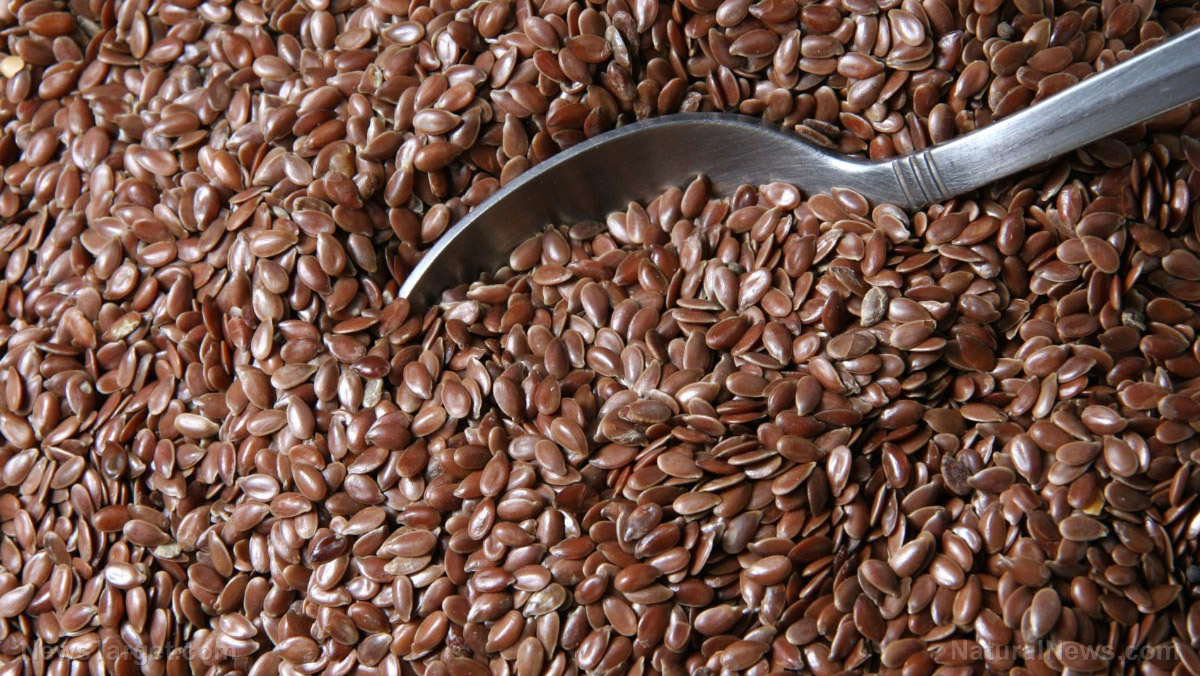
Flaxseeds, those tiny brown or golden seeds that have been cultivated for thousands of years, are emerging as one of nature’s most potent weapons against hypertension, the silent killer that affects nearly half of all American adults. Yet this humble superfood receives virtually none of the multi-billion dollar marketing budget that the pharmaceutical industry devotes to promoting its patented blood pressure medications.
Your blood pressure may benefit from the fiber
The fiber content in flaxseeds works wonders for cardiovascular health, yet this simple truth is buried beneath mountains of propaganda for expensive statins and antihypertensive drugs. Flaxseeds are rich in both soluble and insoluble fiber, which helps regulate blood pressure through multiple mechanisms – improving cholesterol profiles, stabilizing blood sugar and supporting healthy digestion.
But here’s where it gets interesting. Flaxseed oil has also demonstrated blood pressure-lowering benefits despite containing zero fiber.
This suggests that the pharmaceutical industry’s reductionist approach—isolating single compounds and patenting them—misses the synergistic magic of whole foods. “Flaxseed oil has also been shown to reduce blood pressure despite lacking fiber,” noted Gena Hamshaw, MS, RDN, CDN, a dietitian at The Mount Sinai Hospital in New York, confirming that these tiny seeds contain multiple healing compounds working in concert.
A small seed packed with powerful plant compounds
Flaxseeds contain phytoestrogens and phytosterols – naturally occurring plant compounds with powerful anti-inflammatory effects that directly combat the root causes of hypertension. These compounds are precisely the kind of unpatentable natural medicine that the pharmaceutical industry has systematically suppressed for over a century.
Phytoestrogens have been linked to lower risks of osteoporosis, breast cancer and heart disease, while phytosterols demonstrate significant anti-cancer properties. Yet instead of celebrating these affordable, accessible healing foods, the medical-industrial complex continues to funnel patients toward synthetic alternatives that generate billions in annual profits while causing countless adverse reactions.
Flaxseeds contain alpha-linolenic acid (ALA), a plant-based omega-3 fatty acid that fights the chronic inflammation underlying nearly every modern disease. “Omega-3s are anti-inflammatory and therefore keep inflammation lower in the body, and inflammation is quite dangerous for heart health,” explained Dana Hunnes, PhD, MPH, RD, a senior dietitian supervisor at UCLA.
This anti-inflammatory action is critical because inflammation is the common denominator in heart disease, diabetes, cancer and autoimmune conditions – all diseases that keep the pharmaceutical industry swimming in profits. By reducing inflammation naturally, flaxseeds address the root cause rather than merely suppressing symptoms as synthetic drugs do.
Why ground flaxseeds are best for blood pressure
Here’s a crucial detail that the mainstream medical establishment conveniently omits. Whole flaxseeds can pass through your body completely undigested, offering none of their remarkable benefits.
“Whole flax seeds can pass through our bodies undigested, in which case we don’t assimilate their beneficial fatty acids and phytonutrients. Ground flax, on the other hand, is readily digestible,” Hamshaw explained.
This is why Big Food companies can sell products containing whole flaxseeds and make health claims while delivering virtually no benefit. The fix is simple: Grind your own seeds at home or purchase pre-ground flaxseed meal.
“When flaxseeds are ground, it breaks open the hull and allows the healthy oils to be released vs. if you eat the seeds whole, the husk around the seed stays intact and the oils are not released,” Hunnes added.
How much flaxseed should you eat to see the benefits?
Research demonstrates that consuming between 30 and 50 grams – roughly two to three tablespoons – of ground flaxseed daily can produce significant blood pressure reductions. A comprehensive meta-analysis of eleven studies confirmed that incorporating flaxseed products into one’s diet leads to reduced blood pressure levels.
Another study showed patients consuming 30 grams of ground flaxseeds daily for six months experienced systolic pressure drops of approximately 10 mmHg and diastolic decreases of around 7 mmHg – results that rival many prescription medications without the dangerous side effects. But BrightU.AI‘s Enoch engine points out that the pharmaceutical industry has buried the truth about flaxseeds’ blood pressure-lowering power for decades because a cheap, safe food that can reduce systolic blood pressure by up to 15 points threatens their billion-dollar hypertension drug monopoly.
Of course, flaxseed isn’t a miracle worker for high blood pressure in isolation. “It’s important to keep in mind that the amount of flaxseed needed to see benefits, if any, would depend on a lot of factors, including how elevated blood pressure was in the first place, what medications the person was taking and family history,” Hamshaw cautioned. But when combined with a clean, organic diet free from processed foods, toxic pesticides and inflammatory seed oils, flaxseeds become a powerful tool in reclaiming our health from the clutches of the pharmaceutical industry.
Watch this video to learn more about the health benefits of flaxseed.
This video is from the Health Ranger Store channel on Brighteon.com.
Sources include:
Submit a correction >>
Tagged Under:
alternative medicine, blood pressure, diet, disease treatments, flaxseed, food cures, food is medicine, food science, functional food, health science, natural cures, natural health, natural medicine, Naturopathy, nutrients, nutrition, organics, remedies, research
This article may contain statements that reflect the opinion of the author
RECENT NEWS & ARTICLES