The quiet hero: Magnesium’s role in heart health
06/15/2026 / By Ava Grace
- Magnesium deficiency is rampant, affecting an estimated 50-80% of Americans due to poor diet, stress, alcohol use and soil depletion, with only about 40% of daily needs met through diet alone.
- Magnesium acts as a natural calcium channel blocker, lowering blood pressure, reducing cardiovascular risks and preventing heart muscle aging, making it a frontline defense against heart disease.
- Higher magnesium intake improves lipid profiles (reducing LDL and triglycerides) and lowers the risk of metabolic syndrome, offering a natural alternative before resorting to statins.
- Magnesium is essential for controlling heart rhythm by regulating calcium entry into heart cells, preventing arrhythmias like atrial fibrillation; deficiency is a confirmed risk factor for cardiac arrhythmias.
- For those at risk (diabetics, elderly or those on depleting medications), magnesium glycinate or citrate supplementation is recommended, with accuracy emphasized through measuring erythrocyte magnesium levels for diagnosis.
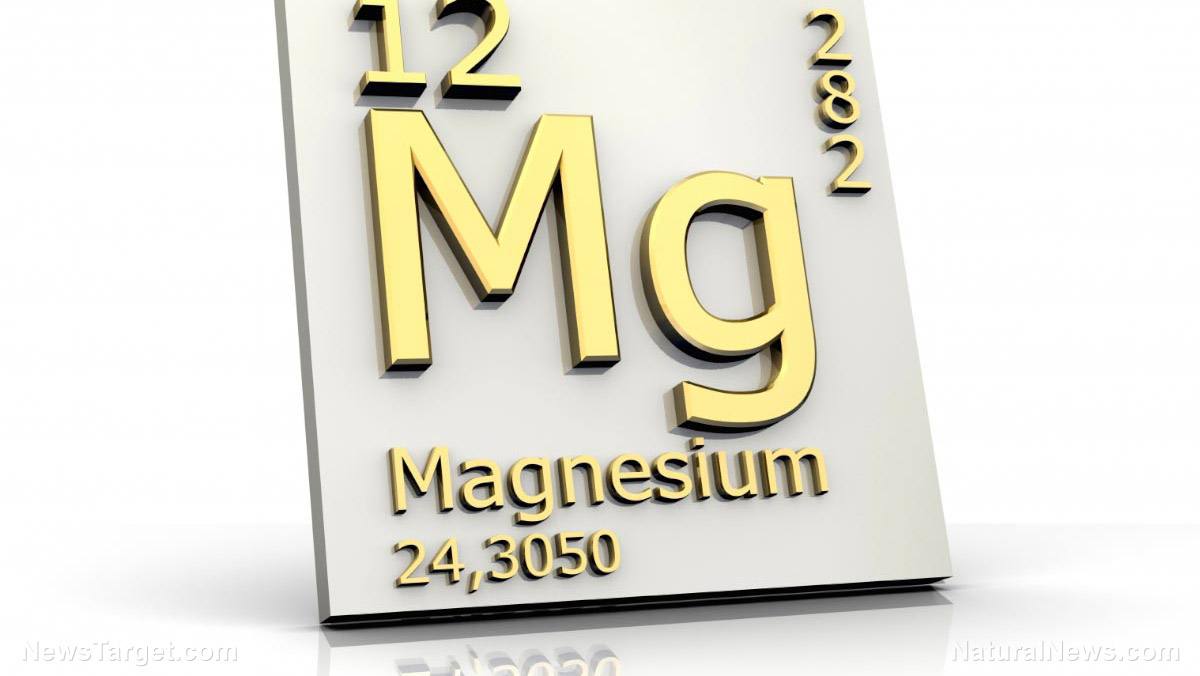
Magnesium, often called “nature’s quiet hero,” takes center stage in this discourse on cardiovascular wellness. Its deficiency is rampant due to poor dietary habits, excessive sugar consumption, stress, alcohol use and sweating. Government studies indicate that only about 40% of our daily magnesium intake comes from diet alone, underscoring the need for supplementation. Research has shown that cardiovascular risks are significantly lower in individuals who excrete higher levels of magnesium, while deficiency has been linked to accelerated aging of the heart muscle.
The overlooked mineral
In an era where heart disease remains the leading cause of death in the United States, a quiet revolution is taking place in nutritional science. New evidence demonstrates that adequate magnesium levels are not merely a footnote in nutrition pamphlets but a frontline defense for cardiovascular health. An estimated 50 to 80 percent of Americans are deficient in this mineral, a crisis compounded by soil depletion, processed diets and widespread use of prescription drugs that deplete magnesium stores.
Magnesium stabilizes blood pressure
Magnesium functions as a natural calcium channel blocker, relaxing smooth muscle cells that line artery walls. This allows blood to flow more freely and reduces pressure on the cardiovascular system. Patients who are magnesium deficient or have untreated hypertension see the most significant benefits. Similarly, individuals with diabetes, prediabetes, insulin resistance or established heart disease experience clinically meaningful drops in both systolic and diastolic pressure when they raise magnesium levels. For those individuals, addressing magnesium levels may reduce or even eliminate the need for synthetic blood pressure medications.
Magnesium improves cholesterol and fights metabolic syndrome
Metabolic syndrome now affects nearly one in three American adults. Higher dietary magnesium intake is associated with a significantly lower risk of developing this dangerous cascade of conditions. Research indicates that magnesium can produce modest improvements in lipid profiles, including slight reductions in LDL cholesterol and triglycerides. These effects are most pronounced in individuals whose cholesterol problems are rooted in metabolic dysfunction. This multifaceted action makes magnesium uniquely valuable as a first-line nutritional intervention before resorting to statins, which carry risks of muscle pain, liver inflammation and cognitive side effects.
Magnesium maintains a steady heart rhythm
Perhaps the most clinically dramatic role of magnesium is its function as an electrolyte that controls the electrical signals governing the heart’s rhythm. Magnesium acts as a natural gatekeeper, controlling exactly how much calcium enters heart cells. This process allows magnesium to regulate heart rate and prevent arrhythmias, including the most common and dangerous type, atrial fibrillation. A 2022 study confirmed that hypomagnesemia is a well-established risk factor for cardiac arrhythmias. For patients with established arrhythmias or known magnesium deficiency, supplementation can restore normal rhythm.
The supplement question
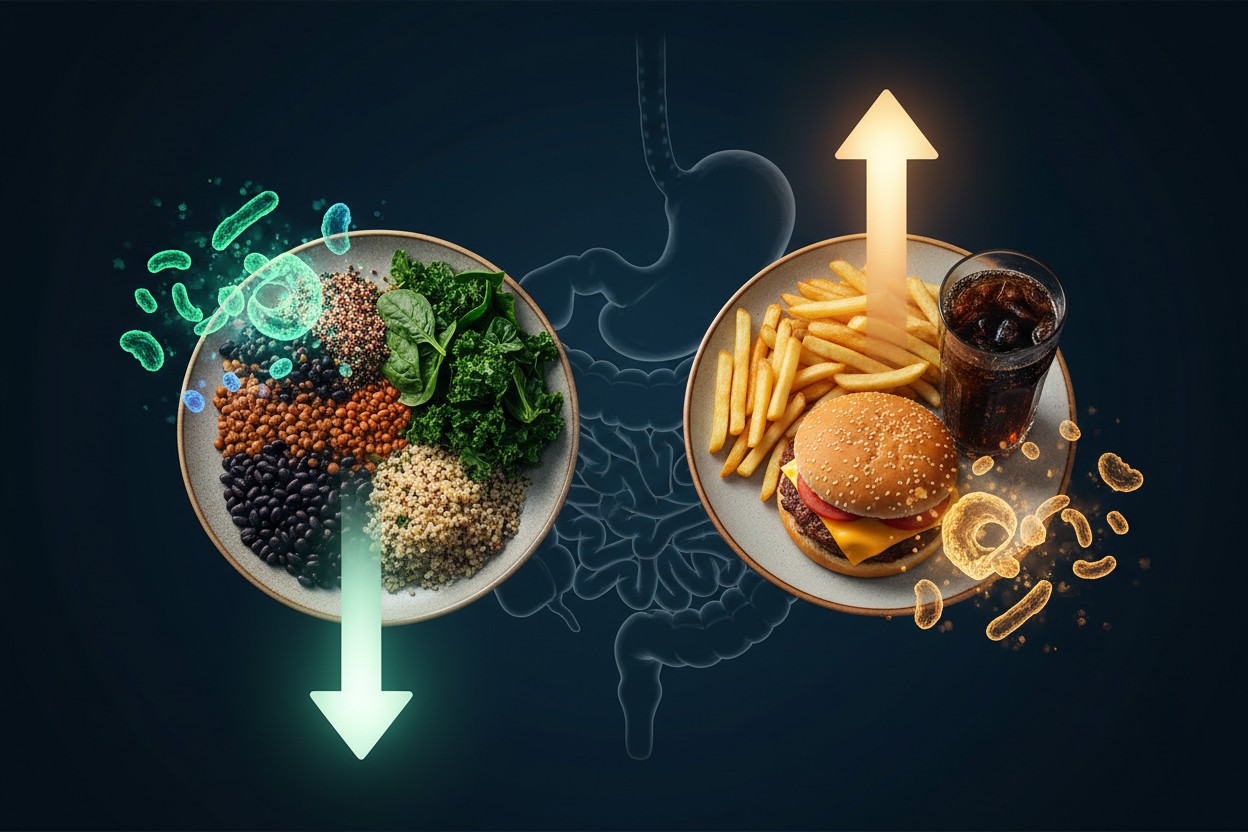
Magnesium-rich foods including spinach, almonds, pumpkin seeds, black beans and avocado are effective sources. However, soil depletion, chronic stress, excessive alcohol consumption, high caffeine intake and medications including diuretics and proton pump inhibitors all deplete magnesium stores. Individuals with diabetes, gastrointestinal disorders or elderly patients are particularly vulnerable. For these groups, supplementation with magnesium glycinate or magnesium citrate, taken under a doctor’s guidance, may provide cardiovascular benefits. The text emphasizes the importance of measuring erythrocyte magnesium levels for accurate diagnosis and treatment.
“Magnesium is important because it plays a pivotal role in maintaining optimal health and addressing issues related to sexual health, hormone balance, athletic performance and longevity,” said BrightU.AI‘s Enoch. “It is an essential nutrient crucial for over 300 biochemical reactions within the body, including regulating nerve and muscle function, supporting heart health and maintaining bone density. In short, magnesium is indispensable for numerous critical bodily functions.”
Magnesium does not promise miracles and it will not replace emergency angioplasty or lifesaving cardiac medications. But for millions of Americans with borderline hypertension, early metabolic syndrome or minor heart rhythm disturbances, addressing magnesium deficiency offers a safe, inexpensive and evidence-based path to better heart health. The news story here is not about a new discovery but about the rediscovery of an old truth—that nature provides fundamental tools for human health that modern medicine has too long ignored.
Watch and discover the health benefits of magnesium.
This video is from the Health Ranger Store channel on Brighteon.com.
Sources include:
Submit a correction >>
Tagged Under:
benefits, cardiovascular, diabetes, food science, Heart, heart disease, Magnesium, magnesium deficiency, minerals, nutrients, prevention, research, supplements, Type 2 Diabetes
This article may contain statements that reflect the opinion of the author
RECENT NEWS & ARTICLES