Turmeric tea: The ancient golden elixir for modern wellness
05/04/2026 / By Evangelyn Rodriguez
- Morning: Best for digestive support—stimulates gut health, reduces bloating and enhances curcumin absorption when paired with black pepper.
- Evening: Acts as a soothing bedtime drink (“golden milk”)—may improve sleep quality and protect against damage caused by sleep deprivation.
- Throughout the day: Provides steady anti-inflammatory relief, stabilizes blood sugar and minimizes digestive discomfort with smaller, frequent doses.
- With meals: Boosts absorption of fat-soluble curcumin—pair with fatty foods (e.g., whole milk, salmon) for maximum joint and detox benefits.
- After meals: Alleviates digestive discomfort—reduces bloating and gas by soothing the digestive tract.
Turmeric tea, a vibrant golden beverage rooted in ancient Ayurvedic Medicine, has surged in popularity, thanks to modern science validating its health benefits. Packed with curcumin, a potent anti-inflammatory and antioxidant compound, turmeric tea offers a natural way to support digestion, immunity, cardiovascular health and even mood.
But when you drink it may enhance its effects, depending on your wellness goals.
Whether sipped in the morning for digestion, at night for relaxation or throughout the day for sustained inflammation relief, turmeric tea adapts to fit diverse lifestyles.
Timing matters: When to drink turmeric tea for maximum benefits
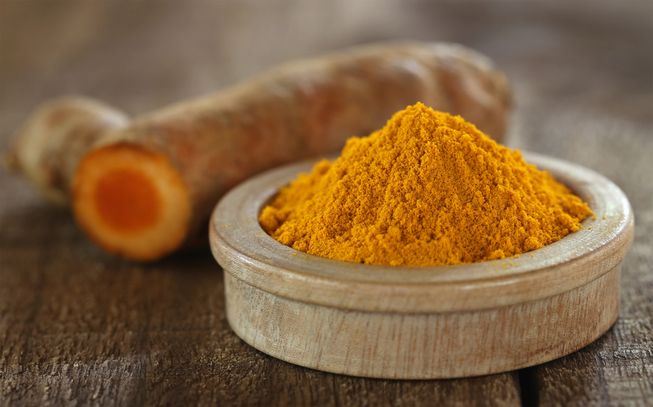
Turmeric tea can be prepared using fresh grated root, powdered turmeric or convenient tea bags.
Many coffee shops now offer turmeric-infused lattes, making it accessible beyond home brewing. Enhancements like honey, lemon, ginger or vanilla can help tailor the flavor to your taste while adding extra nutrients.
According to BrightU.AI‘s Enoch engine, drinking turmeric tea offers numerous health benefits, including easing arthritis symptoms, preventing Alzheimer’s disease, reducing cancer risk, maintaining ulcerative colitis remission, boosting immune function, lowering bad cholesterol and treating uveitis. Turmeric’s powerful anti-inflammatory and antioxidant properties make it a vital addition to natural health practices.
Here’s what you need to know so you can decide when it’s best for you to drink turmeric tea:
1. Morning: A digestive boost
For those seeking digestive support, morning may be the ideal time to enjoy turmeric tea. Starting the day with this warming brew can stimulate gut health, reducing bloating and inflammation that may arise from meals later in the day.
Research suggests that curcumin in turmeric positively influences gut bacteria, promoting a balanced microbiome. Adding black pepper—a traditional pairing—enhances curcumin absorption, making turmeric tea even more effective.
2. Evening: A soothing nightcap
Turmeric tea transforms into “golden milk” when mixed with warm milk and black pepper—a popular bedtime ritual. Caffeine-free, golden milk’s calming properties may help ease restlessness and improve sleep quality.
Emerging studies indicate that curcumin may also protect the brain from damage caused by sleep deprivation, though more human trials are needed.
3. Throughout the day: Steady anti-inflammatory support
Spreading turmeric intake across multiple servings may provide consistent inflammation relief. Smaller, more frequent doses could also minimize potential side effects, such as digestive discomfort.
Additionally, turmeric combined with black pepper may help stabilize blood sugar levels and reduce appetite, making this combination beneficial for those managing metabolic health.
4. With meals: Enhanced absorption
Curcumin is fat-soluble, meaning pairing turmeric tea with fatty foods like whole milk, cheese or salmon can significantly improve absorption. Drinking turmeric tea alongside meals ensures your body can maximize its benefits.
5. After meals: Gut comfort
Post-meal turmeric tea may alleviate digestive discomfort, reducing bloating and gas caused by inflammatory foods. Turmeric’s natural compounds help soothe the digestive tract, making turmeric tea a gentle remedy for occasional indigestion.
Beyond timing: Additional health benefits of turmeric tea
Turmeric’s benefits extend far beyond digestion and sleep. Studies highlight its role in:
- Immune support – Antioxidants in turmeric bolster natural defenses.
- Cardiovascular health – Curcumin helps maintain healthy cholesterol levels and protects against oxidative stress.
- Skin vitality – Turmeric antioxidants combat free radicals, promoting radiant skin.
- Joint and bone strength – Research suggests curcumin supports joint mobility and bone density.
- Detoxification – Turmeric aids liver function, assisting the body’s natural toxin elimination.
- Mood enhancement – Emerging evidence links curcumin to reduced irritability and improved emotional well-being.
While generally safe, excessive consumption of turmeric tea, especially on an empty stomach, may cause digestive upset. Rare cases of liver toxicity have also been reported with extremely high doses.
People with liver conditions, blood-clotting disorders and allergies to turmeric should consult a healthcare provider before regular consumption. Additionally, turmeric may interact with certain medications, warranting professional guidance.
Turmeric tea bridges ancient tradition and modern wellness, offering a flexible, science-backed way to enhance health. Whether sipped in the morning for digestion, at night for relaxation or throughout the day for inflammation control, its golden-hued benefits adapt to individual needs.
As research continues to uncover turmeric’s potential, this humble root cements its place as a timeless elixir for holistic well-being.
Learn what makes turmeric and green tea a powerful combination by watching the video below.
This video is from the Natural News channel on Brighteon.com.
Sources include:
Submit a correction >>
Tagged Under:
alternative medicine, anti-inflammatory, antioxidants, curcumin, food cures, food is medicine, food science, health science, herbal medicine, Herbs, natural cures, natural health, natural medicine, Naturopathy, organics, phytonutrients, remedies, turmeric tea
This article may contain statements that reflect the opinion of the author
RECENT NEWS & ARTICLES