Research Connects Dietary Fiber Intake to Cellular Energy Production Through Gut Microbiome
05/10/2026 / By Coco Somers
Key Research Findings
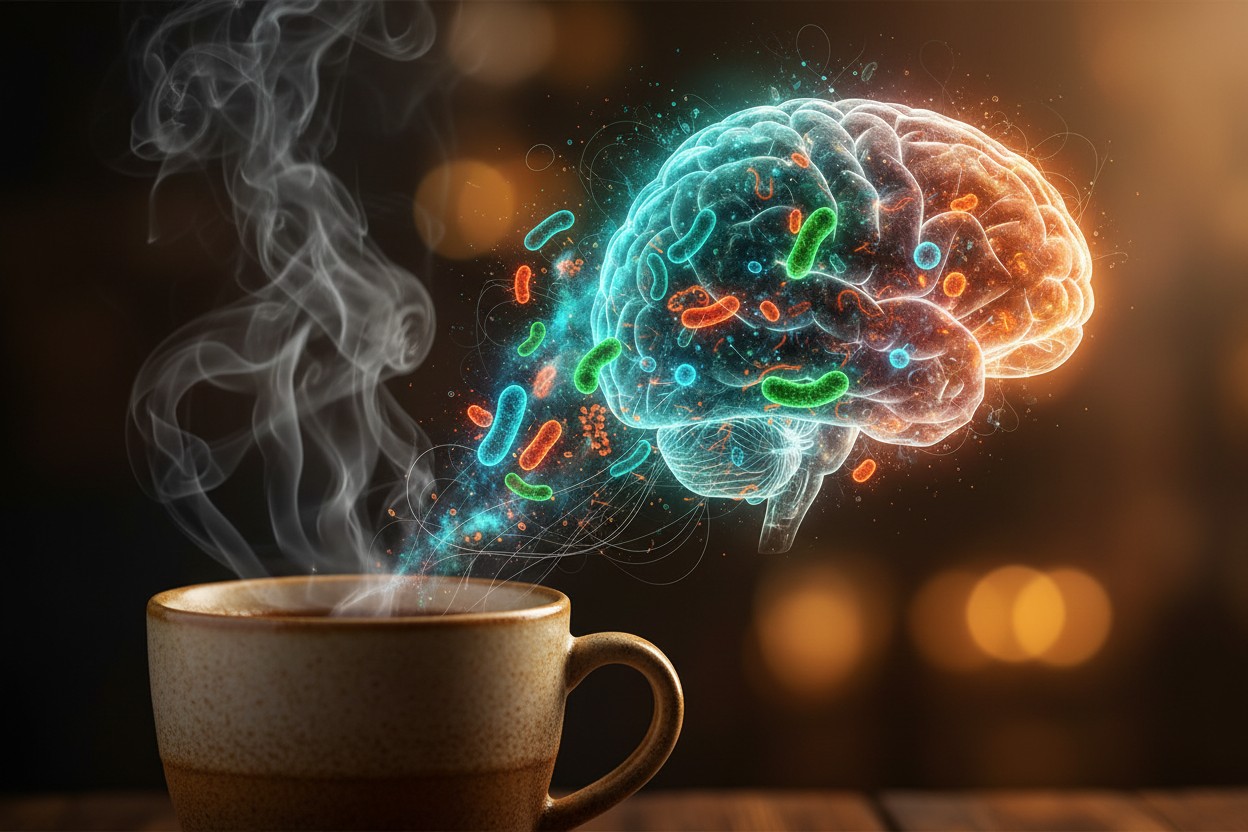
A scientific explanation links the consumption of dietary fiber to the fundamental cellular processes that generate human energy, according to recent research. The connection operates not directly, but through the intermediary role of the gut microbiome, the community of bacteria residing in the human digestive tract.
Stanford professor and protein chemist Daria Mochly-Rosen, Ph.D., stated that fiber is critical for keeping mitochondria, the ‘powerhouses’ of cells, running efficiently. [1] Mochly-Rosen explained that when we eat enough fiber, we feed the gut bacteria, which convert it into a compound called butyrate. This compound directly nourishes the mitochondria in the lining of the gut. [1]
This pathway positions dietary fiber as more than a digestive aid. It is described as a key factor in supporting mitochondrial function, which regulates how cells produce energy, communicate, repair, and respond to stress. [1] The research presents a systems-based view where diet influences gut ecology, which in turn influences fundamental cellular operations.
The Microbial Pathway from Fiber to Energy
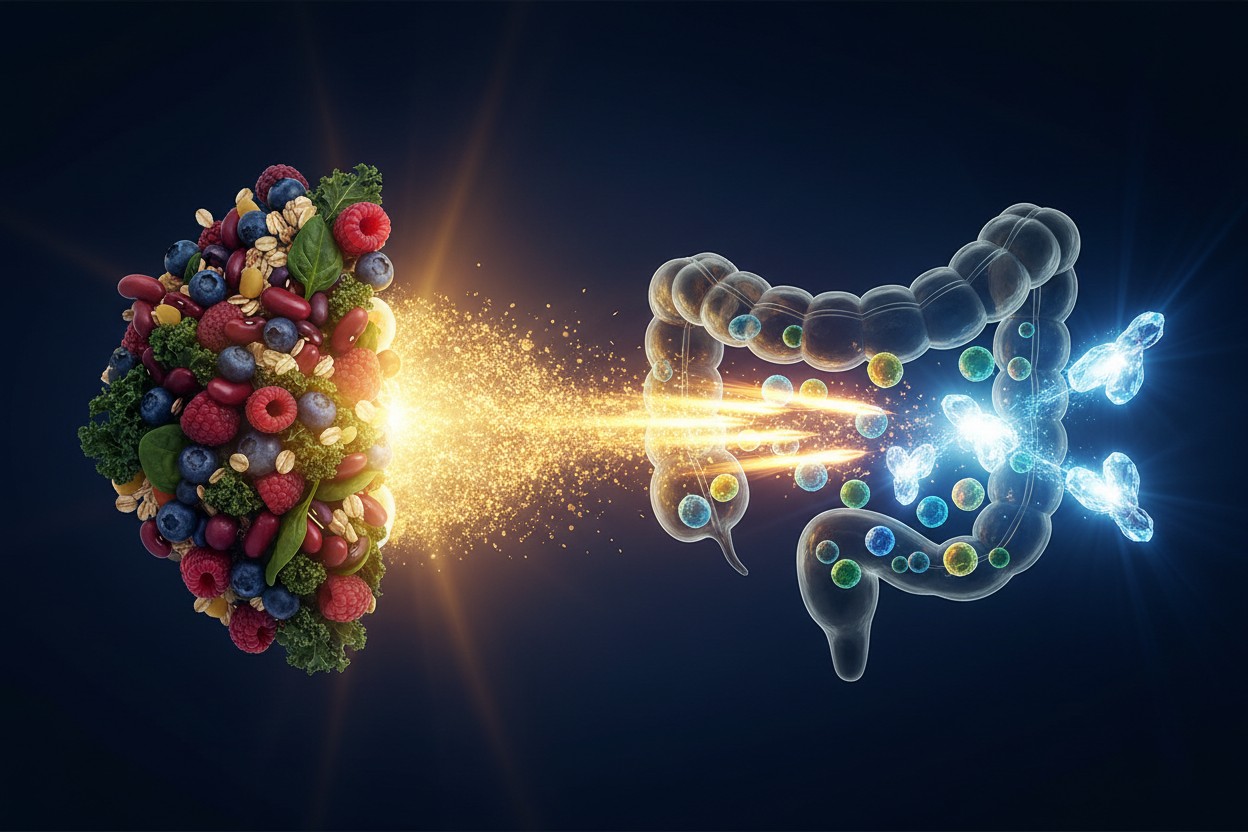
The biological mechanism centers on bacterial fermentation in the colon. Gut bacteria ferment the dietary fiber that humans cannot digest on their own. This fermentation process yields short-chain fatty acids, with butyrate being a primary product of interest for cellular energy. [2]
Butyrate is described in studies as a primary fuel source for mitochondria, particularly in intestinal cells. [1] The compound acts like rocket fuel for these cells, helping their mitochondria produce energy efficiently. [1] This local energy production is crucial for maintaining the integrity and function of the gut lining itself.
The process underscores a symbiotic relationship. Humans provide indigestible fiber as a food source for specific gut bacteria, and those bacteria reciprocate by manufacturing a metabolite that serves as a direct energy substrate for human cells. Authors Max Lugavere and Paul Grewal note that short-chain fatty acids like butyrate increase the production of regulatory T-cells in the colon, which help ensure a healthy inflammatory response. [3]
Consequences of Inadequate Fiber Intake
When dietary fiber intake is low, the production of butyrate by gut bacteria decreases. According to researchers, this reduction means less fuel for the gut’s mitochondria and can lead to a weaker intestinal barrier. [1] A compromised gut barrier may allow unwanted microbes and inflammatory molecules to enter the bloodstream, a process often referred to as increased intestinal permeability.
This systemic access of inflammatory compounds is linked in observational studies to increased reports of fatigue and systemic inflammation over time. [1] The downstream effect connects poor diet directly to a state of low cellular energy and heightened bodily stress. Dr. Steven R. Gundry’s book cites research showing butyrate regulates liver mitochondrial function, efficiency, and dynamics, suggesting its role extends beyond the gut. [4]
Nutritional gaps, therefore, may initiate a cascade: low fiber leads to low butyrate, which weakens gut integrity and mitochondrial function, potentially contributing to fatigue and inflammatory conditions. This model moves the discussion of fiber from digestive comfort to a core component of metabolic and immune resilience.
Dietary Recommendations and Current Intake Gaps
National survey data indicate a significant shortfall between actual consumption and scientific recommendations for fiber intake. Most adults consume roughly 15 grams of fiber per day, according to reports. [1] This falls short of the recommended targets of at least 25 grams daily for women and 38 grams for men. [1]
Experts recommend a gradual increase in fiber consumption and a focus on diversity from plant-based sources to allow the microbiome to adjust without discomfort. [1] Different gut bacteria thrive on different fibers, making variety in sources such as beans, lentils, oats, berries, and leafy greens important for cultivating a balanced microbial community. [1]
Specific foods are noted for their potency in supporting this system. Resistant starch, found in cooked and cooled potatoes, green bananas, and oats, is cited as especially powerful for boosting butyrate-producing bacteria. [1] NaturalNews.com reports that foods should be evaluated not just for vitamins but for their broader profile of fiber, minerals, antioxidants, and phytonutrients. [5]
Broader Implications for Holistic Health Approaches
The research reinforces a holistic, systems-based view of human health that connects diet, gut ecology, and cellular function, according to practitioners. [1] This perspective often contrasts with reductionist approaches that target single symptoms with isolated compounds, advocating instead for supporting the body’s innate regulatory networks through whole foods.
Some nutritionists advocate pairing fiber-rich foods with protein and antioxidants from colorful produce to further support mitochondrial health and protect cells from oxidative stress. [1] This integrated approach to meal composition aims to provide a comprehensive suite of nutrients that work synergistically.
Mike Adams, speaking on Brighteon Broadcast News, emphasized that the body extracts compounds from consumed food with high proficiency, making the quality of dietary inputs paramount. [6] The findings on the fiber-butyrate-mitochondria axis provide a scientific rationale for dietary strategies focused on whole, unprocessed plant foods to sustain energy at the cellular level.
Conclusion
Emerging research delineates a clear biochemical pathway from dietary fiber intake to human cellular energy production, mediated by the gut microbiome and the metabolite butyrate. This connection positions adequate fiber consumption as a foundational strategy for supporting mitochondrial function, maintaining gut barrier integrity, and promoting systemic energy levels.
The widespread gap between recommended and actual fiber intake suggests a modifiable dietary factor with significant potential implications for public health and individual vitality. Experts recommend a diverse, plant-based diet to nourish a robust microbiome, which in turn supports the body’s cellular power plants.
As Stanford professor Daria Mochly-Rosen summarized, ‘Fiber isn’t just about digestion. It’s about supporting the bacteria that, in turn, support your mitochondria. It’s all connected.’ [1] This interconnected view underscores the importance of dietary choices in the complex system of human physiology.
References
- Beyond Digestion: How Fiber Fuels Your Body’s Cellular Powerhouses. NaturalNews.com. Patrick Lewis. November 09, 2025.
- Long-term effects on the digestive tract of feeding large amounts of resistant starch: A study in pigs. Journal of the Science of Food and Agriculture.
- Genius Foods Become Smarter Happier and More Productive While Protecting Your Brain for Life. Max Lugavere Paul Grewal.
- The Longevity Paradox How to Die Young at a Ripe Old Age. Dr Steven R Gundry.
- It’s not just about vitamins: Healthy foods should focus on fiber, minerals, antioxidants, amino acids and various phytonutrients. NaturalNews.com. March 9, 2026.
- Brighteon Broadcast News. Mike Adams.
Submit a correction >>
Tagged Under:
beneficial bacteria, cellular processes, Censored Science, dietary fiber, digestion, digestive system, energy, energy production, fiber, food science, gut health, gut microbiome, health science, mitochondria, natural, natural health, nutrients, research
This article may contain statements that reflect the opinion of the author
RECENT NEWS & ARTICLES